
Owning a House in a Portland Historic District: The Rules, Plainly
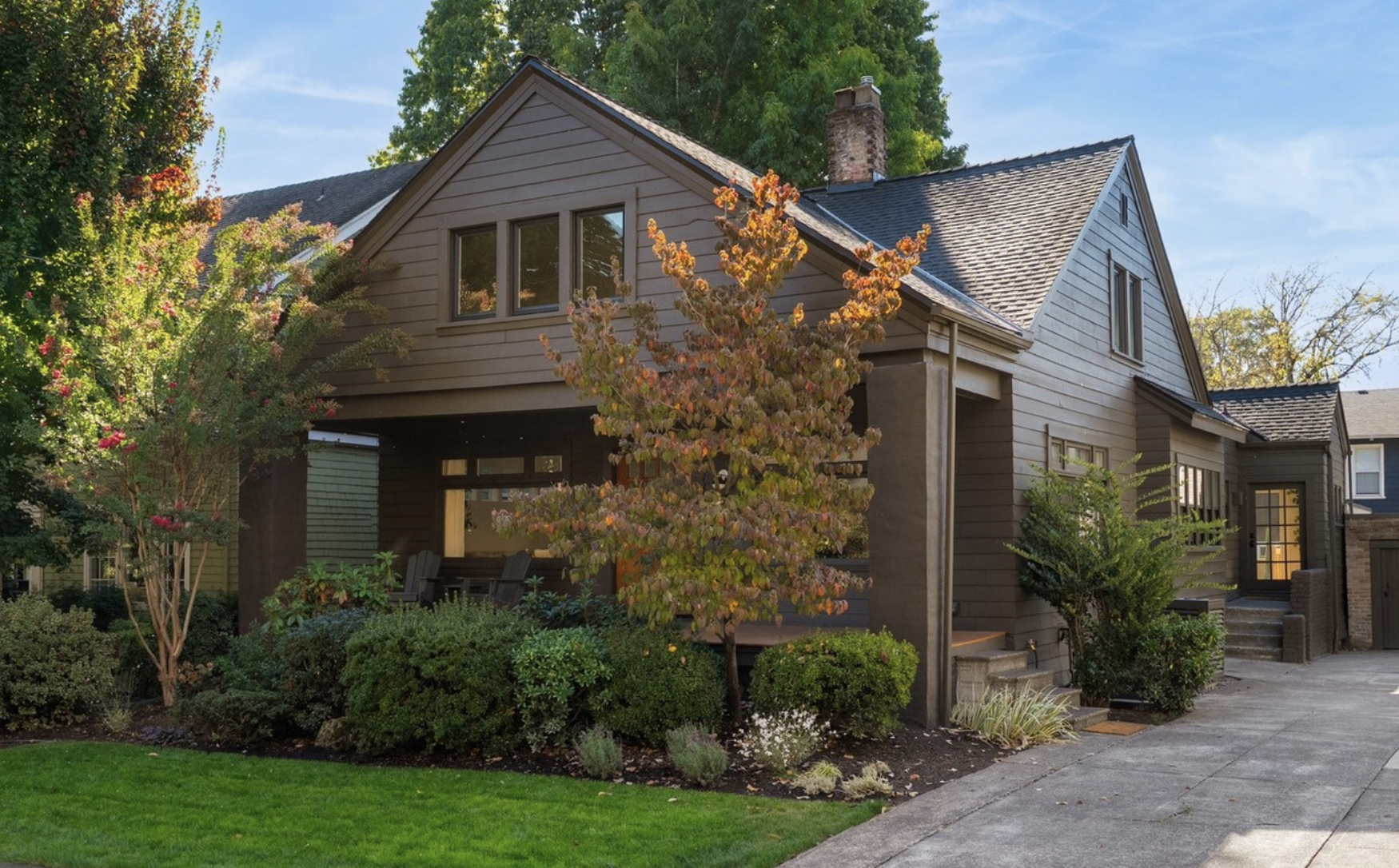
Portland historic district rules at a glance
If a Portland house is a landmark or sits in a historic or conservation district, most exterior alterations, additions and new construction need Historic Resource Review, and demolition needs Demolition Review. Repair, maintenance and interior remodeling are generally exempt. Check the address on PortlandMaps, then confirm the details with Portland Permitting & Development before you plan work.
Portland · Field Notes
Landmarks, districts, contributing houses, reviews and exemptions, explained for owners and buyers.
Start with the map: is the house designated?
The first question for any owner or buyer is simple: does the city treat this property as a historic resource? You do not need to guess from the age of the house or the look of the street. Portland publishes its historic district and landmark boundaries on PortlandMaps, the city's property lookup site. According to the city's zoning guidance, you can search by address, intersection or tax number, and historic and conservation district boundaries are listed in the zoning section of the property's maps page. The city's mapping data includes separate layers for historic and National Register districts and for individual historic landmarks.
Treat PortlandMaps as a starting point. If the result is unclear, the city's zoning staff can confirm the status of a specific address.
Two other points help you read what you find:
- Districts take owner support. The city says the affirmative consent of a majority of property owners is required to designate an area as a local Historic District or Conservation District. National Register districts follow a separate federal process run through the State Historic Preservation Office.
- The Historic Resource Inventory is not a designation. Portland's 1984 inventory is a survey list. City mapping metadata says being on it is not a historic designation, although ranked resources on the inventory are subject to a 120-day demolition delay. The inventory may also be out of date.
Neighborhoods that sources confirm as National Register historic districts include Irvington (listed in 2010), Laurelhurst (listed March 18, 2019), Eastmoreland (listed December 7, 2022), Ladd's Addition (listed in 1988) and King's Hill (listed February 19, 1991). Being in one of these neighborhoods is not the same as being inside the district boundary, so check the parcel itself.
The resource types in plain language
Portland's Historic Resource Overlay Zone, Chapter 33.445 of the zoning code, regulates several types of historic resources. The names are similar, and the rules differ in ways that matter, so it helps to know them before you read a permit handout.
- Historic Landmark. An individual building, site or object designated for its significance. Under Chapter 33.445, a property listed in the National Register of Historic Places on or before January 27, 2017 is automatically identified as a Historic Landmark. The city also designates local Historic Landmarks.
- National Register Landmark. An individual property listed in the National Register after January 27, 2017. These are reviewed only when someone proposes demolition or relocation, not for ordinary alterations.
- Conservation Landmark. A local city designation for individual resources that the city describes as typically significant at a lower level, mainly to the neighborhood or the city.
- Historic District. A geographic area with a concentration of related historic resources. The city says all of Portland's Historic Districts are also listed in the National Register.
- Conservation District. A local district. The city lists six in North and Northeast Portland: Eliot, Kenton, Mississippi, Piedmont, Russell and Woodlawn, all created through the 1993 Albina Community Plan. A 2020 city memo notes that the core of the Kenton Conservation District was later designated a Historic District.
- National Register District. A district listed in the National Register. How the city treats one depends on when it was listed and how the code classifies it, which is one more reason to look up the specific property.
Chapter 33.445 also covers Significant Resources from the inventory. Each type of resource can contain contributing resources, which brings up the next question.
Contributing or non-contributing, and why it matters
Inside a district, every property is sorted into one of two groups. A contributing resource dates from the district's period of significance and still keeps enough of its historic character to convey it. A non-contributing resource was built later, or has been altered so much that it no longer conveys that history.
The label shapes almost everything that follows. Contributing resources are the ones subject to Demolition Review, and they face more review for alterations. Non-contributing resources have lighter rules. A city handout for houses in residential zones, for example, treats small changes to a non-contributing house differently from the same changes to a contributing one, and the city notes that minor alterations to non-contributing resources affecting only non-street-facing walls can be exempt up to a set area. Restore Oregon's Portland FAQ says the owner of a non-contributing property in a National Register district can demolish it without Demolition Review, although a regular demolition permit is still required.
Most resources in the Laurelhurst Historic District, according to sources describing its National Register record, are contributing. Even so, the nomination document, not the street view, decides the status of a given house.
What triggers Historic Resource Review, and what does not
Historic Resource Review is the city's land use review for changes to historic resources. For Historic Landmarks and properties in historic districts, it applies to exterior alterations, additions and new construction. In conservation districts, the city says most projects can follow clear and objective Community Design Standards as an alternative to Historic Resource Review, and proposals affecting Conservation Landmarks can also avoid review if they meet those standards.
The city's handout for houses in historic districts in residential zones sorts common projects by the level of review they need. According to that handout:
- Changes over 150 square feet on street-facing walls generally fall under Type II review.
- Smaller changes to a non-contributing structure can be Type I.
- Other exterior alterations and new main structures can be Type II or Type III.
- New accessory structures and historic restoration work can be Type I.
The same handout lists work that is exempt from review, each with its own conditions:
- Repair and maintenance
- Removable accessibility structures
- Storm and screen windows and doors
- Certain basement windows on walls that do not face the street
- Certain vents
- Solar systems on flat roofs or rear-facing pitched roofs
Windows are the item that confuses the most people. Repair is exempt; replacement often is not. Community comments on the city's code project describe ongoing confusion about how much original material can be removed before repair becomes replacement. The 2022 code update, according to reporting on the Planning and Sustainability Commission's recommendation, added flexibility for window replacement, solar panels and new accessory dwelling units in residential districts. The handout itself warns that many projects have additional qualifiers and points to Chapters 33.445 and 33.846 for the exact rules. Before ordering windows, call the city.
Keep in mind that Historic Resource Review is separate from a building permit. A project can need both, one, or neither.
Portland and California
Moving between Portland and California? Debbie Pisaro of Coastline 840 handles the California side of that move.
Call (310) 362-6429Review types, the Historic Landmarks Commission and Design Advice Requests
Historic Resource Review is processed through one of four procedures: Type I, Type Ix, Type II or Type III. The thresholds that decide which one applies are in Section 33.846.060 of the zoning code. Portland Permitting & Development runs the reviews.
- Type I, Type Ix and Type II are administrative. A city staff planner reviews the application and issues a decision. Most house-scale projects, such as an addition or a rear porch, land in this range.
- Type III applies to larger projects. The Historic Landmarks Commission holds a public hearing, considers the staff recommendation and makes the decision. A pre-application conference is required first.
The Historic Landmarks Commission is the city's volunteer commission for historic resources. Beyond deciding Type III reviews, it hears appeals of Type II staff decisions.
If you are planning a larger project and want an early read, you can ask for a Design Advice Request. This is an optional meeting where the commission gives feedback on a proposal before you apply. The city is clear that the advice is not a decision: the formal review, with an application, public notice and a final decision, still has to follow if you want approval. For a homeowner, a Design Advice Request can be a useful way to test a concept before paying for full drawings.
Demolition Review and the 120-day delay
Demolition is the most protected action under Portland's historic rules, and the rules come partly from the state. In 2017, Oregon's Land Conservation and Development Commission amended the state rule for historic resources, OAR 660-023-0200. The amended rule requires local governments to protect National Register resources through demolition or relocation review, at minimum a public hearing that weighs factors such as condition, historic integrity, age, significance, community value, economic consequences, rarity and consistency with the comprehensive plan. The rule lets local governments exclude accessory structures and non-contributing resources.
In Portland, Demolition Review applies to Historic Landmarks, National Register Landmarks and contributing resources in historic districts. The city's historic resource protections page says Demolition Review for a National Register resource requires a vote of the City Council, which must find that an economic hardship exists or that demolition would better meet the goals and policies of the Comprehensive Plan. Restore Oregon's FAQ describes demolition of a contributing National Register property as technically possible but difficult, lengthy and expensive.
The 2022 Historic Resources Code Project changed the picture for local resources. According to Restore Oregon's summary, the new code requires Demolition Review for locally listed landmarks and for contributing resources in conservation districts. It also loosened the rules for demolishing garages, and the city's proposal created a staff-level demolition review for garages and sheds that had previously gone to City Council. Older city pages describe a 120-day delay, rather than full review, for some of these local resources, so confirm which rule applies to a given property today.
Ranked resources on the Historic Resource Inventory that are not otherwise designated face a 120-day demolition delay. The delay gives time for alternatives to be explored but does not, on its own, prevent demolition.
Interiors, ADUs and the landmark incentives
Interiors. Restore Oregon's handout for Portland historic district residents says interior remodeling is not subject to Historic Resource Review. A kitchen, bathroom or basement remodel is generally between you and the building permit office. The exception is interior work that changes the outside, such as adding, moving or removing a window or door. That exterior change is what triggers review.
Accessory dwelling units. The 2022 code update loosened rules for building accessory dwelling units in local historic districts, according to Restore Oregon. A new detached accessory structure can still need review, and the city handout places new accessory structures at Type I. The size, height and placement of an accessory dwelling unit all affect which review applies, so bring a site plan to an early conversation with the city.
Landmark incentives. Designation carries some benefits as well as rules. Chapter 33.445 includes historic preservation incentives for landmarks, with provisions in Sections 33.445.600 to 33.445.610 according to city materials. One summary of the code describes allowing historic and conservation landmarks in single-dwelling zones to be used as multi-dwelling structures, up to one unit for each 1,000 square feet of site area. A 2022 version of the chapter describes added density for sites in certain zones within a landmark boundary or historic district, and in conservation districts only where the site has a contributing resource, and it excludes sites where a historic resource was demolished after September 14, 2020, with exceptions. Incentive reviews are processed as Type II in the RX zone and Type III elsewhere, and owners typically sign a covenant with the city. These rules are technical and have been revised, so read the current chapter before relying on them.
Tax programs: what is and is not available to homeowners
Many owners assume that a historic house comes with a tax break. For most Portland homeowners, it does not.
- Oregon's Special Assessment program. The state's long-running property tax program for historic properties sunset on July 1, 2024. In 2025, the Legislature passed HB 3190, which the governor signed in June 2025. The official bill summary says it limits the program to commercial property. Under the revived program, commercial owners of National Register-listed property receive a specially assessed value for a ten-year term in exchange for appropriate improvements. Owner-occupied houses are not eligible. Confirm current terms with Oregon Heritage, the state office that runs the program.
- The federal rehabilitation tax credit. The 20 percent federal credit applies to certified historic structures that are income-producing, meaning depreciable under the tax code, such as a business, commercial or rental use. State historic preservation offices are consistent that owner-occupied homes do not qualify. Applications go through the State Historic Preservation Office to the National Park Service, and the work must meet the Secretary of the Interior's Standards for Rehabilitation. A tax professional can tell you whether a rental or mixed-use building might qualify.
The practical takeaway: if you are buying a house in a historic district, plan your budget without assuming any historic tax benefit.
What to gather before buying or selling
A little paperwork at the start can prevent expensive surprises later. Before you buy, or before you list, assemble the following:
- The designation. A PortlandMaps printout showing whether the property is a landmark or inside a historic or conservation district, and which type.
- The contributing status. Whether the house is contributing or non-contributing, from the district's National Register nomination or confirmed by the city.
- The nomination text. The part of the nomination that describes the house. Features named there, such as original windows or porch details, can matter when you apply for changes.
- Permit and review history. Past building permits and any prior Historic Resource Review decisions for the property. Work done without required review can become the next owner's problem.
- Plans for change. If you hope to add a dormer, build an accessory dwelling unit or replace windows, ask the city which review level applies before you commit. An early assistance appointment or a Design Advice Request for a larger project can answer that.
- A realistic tax picture. Confirmation that no historic property tax benefit applies to an owner-occupied house, so the budget is built on actual taxes.
Sellers can help buyers by gathering the same items in advance. Clear designation information makes a historic house easier to understand, and a buyer who knows the rules up front is less likely to be surprised after closing. For legal or transaction questions, an Oregon real estate attorney or an Oregon-licensed agent is the right resource.
Frequently asked questions
How do you check a house's historic status?
Search the address on PortlandMaps and check the zoning section for a historic or conservation district or a landmark listing. The city's zoning guidance says district boundaries are listed there. If the result is unclear, call Portland Permitting & Development, whose zoning staff can confirm the designation and the contributing status for a specific property.
Can windows be replaced in a historic district?
Possibly, but check first. Repair is exempt from Historic Resource Review, while replacement often is not. Storm and screen windows are exempt, and the 2022 code update added some flexibility for window replacement. Whether your project needs review depends on the house, the windows and the code, so confirm with the city before ordering.
Do interior remodels need historic review?
Generally no. Restore Oregon's handout for Portland historic district residents says interior remodeling is not subject to Historic Resource Review. Review applies when interior work changes the exterior, for example by adding, moving or removing a window or door. You may still need an ordinary building permit for the interior work.
What does contributing mean?
A contributing property dates from the district's period of significance and keeps its historic character. A non-contributing property was built later or was heavily altered. The difference matters: contributing properties face Demolition Review and more review for alterations, while non-contributing properties have lighter rules under Portland's code.
Can a contributing house be demolished?
It is possible but difficult for a contributing house. Demolition of a National Register resource needs Demolition Review and a City Council vote, and the council must find economic hardship or a better fit with the Comprehensive Plan. Restore Oregon says non-contributing properties can be demolished with a regular demolition permit, without Demolition Review.
What does the Historic Landmarks Commission decide?
The Historic Landmarks Commission holds hearings and makes decisions on Type III Historic Resource Reviews, which cover larger projects. It also hears appeals of Type II staff decisions. Smaller reviews are decided by city staff. The commission also offers optional Design Advice Requests, which give feedback before an application but are not approvals.
Do Oregon historic homes get tax breaks?
Not for owner-occupied homes. Oregon's Special Assessment program was revived in 2025 through HB 3190, but the official bill summary says it is limited to commercial property. The federal 20 percent rehabilitation credit also excludes owner-occupied homes. Confirm current rules with Oregon Heritage and a tax professional before planning around any benefit.
Are ADUs allowed on historic properties?
Often, yes. According to Restore Oregon, the 2022 Historic Resources Code Project loosened rules for building accessory dwelling units in local historic districts. A new accessory structure may still need Historic Resource Review, which the city handout places at Type I. Size and placement matter, so talk with the city early.
Can a California real estate agent help with a move between Portland and California?
Yes, on the California side. Debbie Pisaro is a California real estate agent, DRE #01369110, and handles the buying or selling that happens in California. She is not licensed in Oregon, so the Portland side of a move needs an Oregon-licensed agent. Call (310) 362-6429 or email debbie@coastline840.com.
Portland and California
Moving between Portland and California?
Debbie Pisaro of Coastline 840 handles the California side of that move. She is licensed in California only, so nothing on this page is an offer of real estate services in Oregon.
(310) 362-6429 · debbie@coastline840.com
Email DebbieDebbie Pisaro, California real estate agent, DRE #01369110. Coastline 840 is a brand of Side, Inc., CA DRE #02014153, responsible broker.
Debbie Pisaro of Coastline 840 · California real estate agent, DRE #01369110 · Inman Luxury Leader · About
Debbie Pisaro is a 24-year veteran, a California real estate agent, DRE #01369110, and the founder of Coastline 840, a boutique California practice and a DBA of Side, Inc., CA DRE #02014153. She is an Inman Luxury Leader, representing buyers and sellers across California.
Sources
- Portland Permitting & Development: Projects that Require Historic Resource Review in Residential Zones
- Portland Permitting & Development: Historic Resource Reviews
- Portland Bureau of Planning and Sustainability: Historic Resource Protections
- Portland Bureau of Planning and Sustainability: Historic, Conservation, and National Register Districts
- Portland Bureau of Planning and Sustainability: Historic Resource Types
- Portland Zoning Code Chapter 33.445, Historic Resource Overlay Zone
- Portland Zoning Code Chapter 33.846, Historic Resource Reviews
- Portland Permitting & Development: Design Advice Requests
- Portland Permitting & Development: Zoning Maps and Regulations
- Portland Bureau of Planning and Sustainability: Historic Resources Code Project
- Portland Bureau of Planning and Sustainability: Historic Preservation Incentives
- PortlandMaps: Historic Resource Data Layers
- Restore Oregon: Living in a Portland Historic District FAQ
- Restore Oregon: Living in a Historic District, What Does It Mean to You?
- Restore Oregon: Portland Adopts Historic Resources Code
- Oregon Legislature: HB 3190 (2025 Regular Session)
- Restore Oregon: HB 3190 Signed by Governor
- OAR 660-023-0200, Historic Resources
- Oregon Heritage News, December 9, 2022
- National Park Service: Laurelhurst Historic District listing record
- Southeast Examiner: Historic Resources Code for Review
- New York State Historic Preservation Office: Income-Producing Tax Credit Program
- Texas Historical Commission: Federal Rehabilitation Tax Credit
- Wikipedia: Irvington, Portland, Oregon
- Wikipedia: Ladd's Addition
- Wikipedia: King's Hill Historic District